
Are you ready to embark on a journey to the heart of Catalan football? Look no further than FC Barcelona, one of the most beloved and successful football clubs in the world. With a rich history spanning over 120 years, Barça has become an integral part of Spanish culture, captivating the hearts of millions of fans worldwide. In this comprehensive blog post, we’ll delve into the fascinating world of FC Barcelona, exploring its history, success, and cultural impact, as well as providing valuable insights into the club’s philosophy, players, and legacy.
A Brief History of FC Barcelona
FC Barcelona was founded in 1899 by a group of Swiss, British, and Spanish footballers, with Joan Gamper being the club’s first president. Initially, the team played friendly matches against other local clubs, but it wasn’t until 1902 that they won their first trophy, the Copa Macaya. The club’s early success was marked by the appointment of Jack Greenwell as the team’s first official coach in 1913, which led to the development of the club’s unique playing style, characterized by possession-based football and attacking flair. This distinctive approach to the game has become synonymous with the Barcelona brand, earning them the nickname “Barça” and setting them apart from other football clubs. As we’ll explore later, this philosophy has been instrumental in shaping the club’s identity and attracting top talent from around the world.
The Golden Era of FC Barcelona
The 2008-2012 period is often referred to as the golden era of FC Barcelona, with the team winning numerous titles, including two Champions League trophies, three La Liga titles, and one Copa del Rey. This success was largely attributed to the vision of Pep Guardiola, who took over as manager in 2008 and implemented a possession-based playing style that revolutionized the game. Under Guardiola’s guidance, players like Lionel Messi, Xavi Hernandez, and Andres Iniesta became household names, showcasing their exceptional skills and technical ability on the pitch. The team’s dominance during this period was marked by a series of thrilling matches, including a 6-2 win over Real Madrid at the Santiago Bernabeu, which cemented their status as one of the greatest teams in football history. As we’ll discuss later, this era had a profound impact on the club’s cultural significance, both in Spain and around the world.
Cultural Impact and Legacy
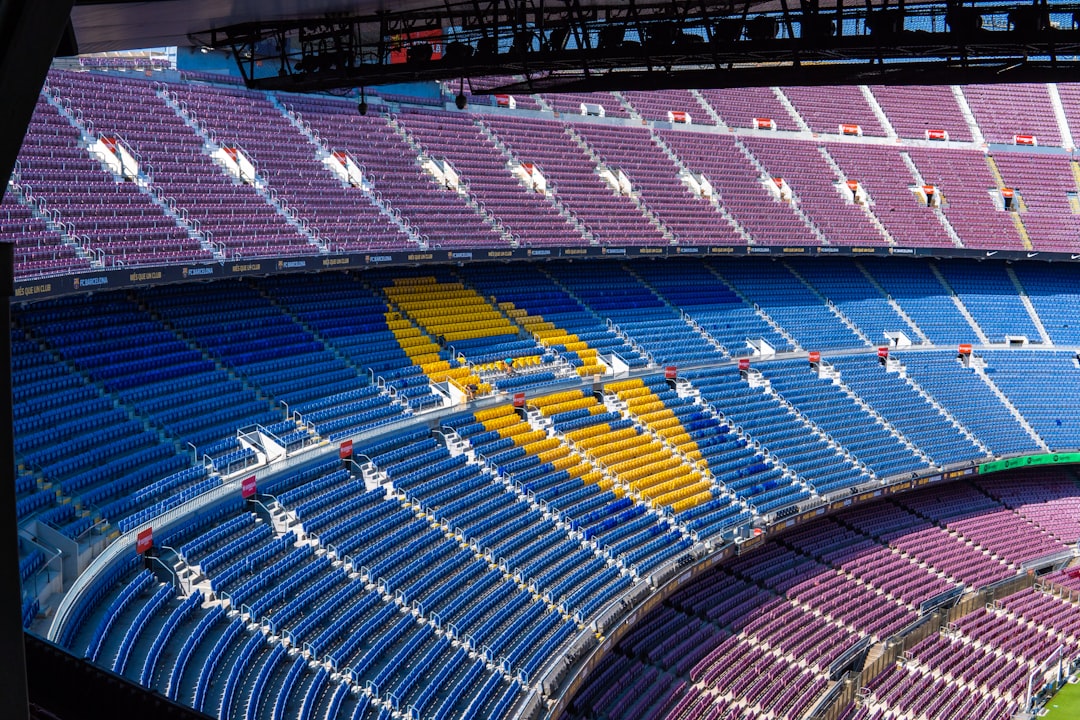
FC Barcelona’s influence extends far beyond the football pitch, with the club playing a significant role in Catalan culture and identity. The team’s motto, “Més que un club” (More than a club), reflects their commitment to social and political causes, with the club being a vocal advocate for Catalan independence and social justice. The club’s charitable foundation, the FC Barcelona Foundation, works tirelessly to promote education, health, and social integration, with a particular focus on supporting disadvantaged children and communities. Furthermore, the club’s stadium, the Camp Nou, has become an iconic symbol of Catalan culture, hosting numerous high-profile events, including concerts, festivals, and even political rallies. As we explore the club’s cultural significance, it’s clear that FC Barcelona is more than just a football club – it’s a beacon of hope, unity, and inspiration for millions of people around the world.
The FC Barcelona Philosophy
So, what sets FC Barcelona apart from other football clubs? The answer lies in their unique philosophy, which emphasizes the importance of possession-based football, technical skill, and attacking flair. The club’s famous La Masia youth academy has been instrumental in developing this approach, with a focus on nurturing young talent and promoting a distinctive playing style that emphasizes creativity, imagination, and risk-taking. This philosophy has been adopted by coaches and players alike, with the team’s commitment to attractive, attacking football earning them widespread acclaim and admiration. As we’ll discuss later, this approach has not only led to on-field success but has also contributed to the club’s enduring cultural significance and appeal.
The Future of FC Barcelona
As FC Barcelona looks to the future, the club faces a number of challenges, including increased competition from other top European clubs, the need to adapt to changing player demographics, and the ongoing quest for success in the ever-competitive world of football. However, with a strong squad, a talented coaching staff, and a commitment to their core values, the club is well-positioned to continue thriving in the years to come. The appointment of Ronald Koeman as manager in 2020 marked a new era for the club, with the Dutch coach tasked with rebuilding the team and restoring their status as one of the world’s top clubs. With a talented young squad, including players like Ansu Fati, Pedri, and Ronald Araujo, the future looks bright for FC Barcelona, and fans around the world will be eagerly anticipating the next chapter in the club’s storied history.
In conclusion, FC Barcelona is a football club like no other, with a rich history, a unique philosophy, and a cultural impact that extends far beyond the pitch. From their early days as a small, local club to their current status as a global football powerhouse, Barça has captivated the hearts of millions of fans worldwide. Whether you’re a die-hard fan or just a casual observer, there’s no denying the magic of FC Barcelona, and we hope that this comprehensive guide has provided you with a deeper understanding and appreciation of this incredible club. So, the next time you watch a Barcelona match, remember that you’re not just watching a team – you’re experiencing a cultural phenomenon that embodies the spirit of Catalan identity, creativity, and passion. Key takeaways from this blog post include:
- FC Barcelona’s unique philosophy, which emphasizes possession-based football, technical skill, and attacking flair, has been instrumental in shaping the club’s identity and success.
- The club’s cultural impact extends far beyond the football pitch, with a significant role in Catalan culture and identity.
- The FC Barcelona Foundation works tirelessly to promote education, health, and social integration, with a particular focus on supporting disadvantaged children and communities.
- The club’s commitment to attractive, attacking football has earned them widespread acclaim and admiration, and has contributed to their enduring cultural significance and appeal.
- As the club looks to the future, they face a number of challenges, but with a strong squad, a talented coaching staff, and a commitment to their core values, they are well-positioned to continue thriving in the years to come.
Leave a Comment