
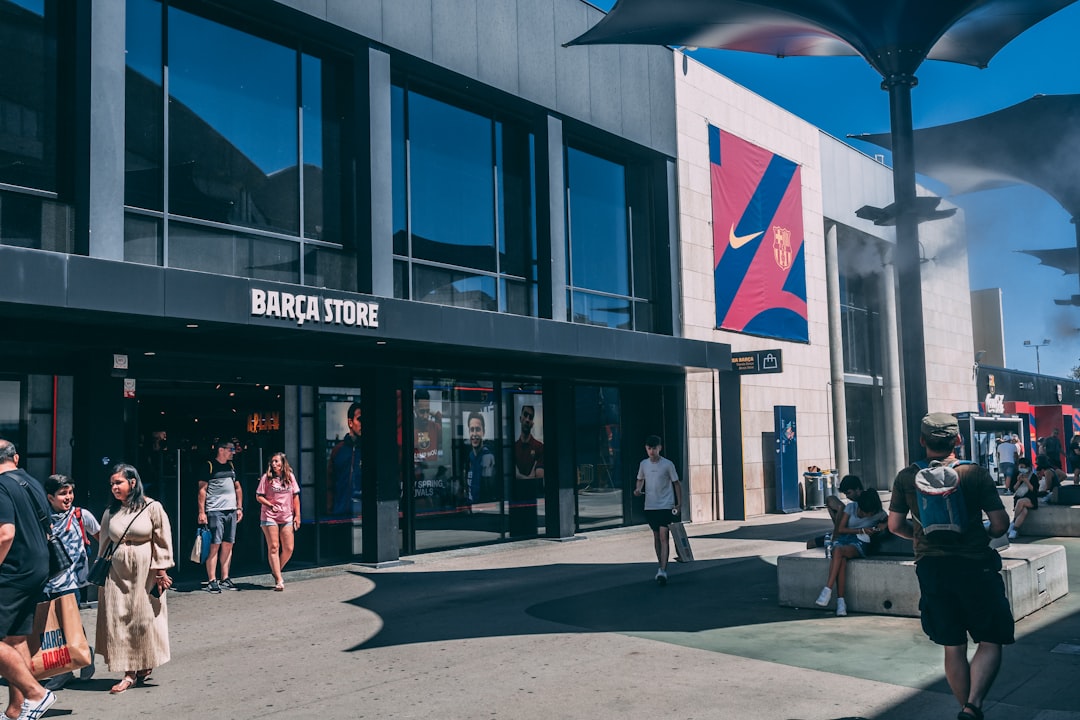
FC Barcelona, one of the most renowned and beloved football clubs in the world, has been a benchmark of excellence for over a century. With a legacy that spans generations, the club has etched its name in the annals of football history, captivating the hearts of millions of fans worldwide. From its humble beginnings to its current status as a global football powerhouse, FC Barcelona’s journey is a testament to the power of passion, dedication, and teamwork. In this comprehensive blog post, we’ll delve into the fascinating world of FC Barcelona, exploring its rich history, unique culture, and unparalleled success.
The Early Years: A Humble Beginning
FC Barcelona was founded in 1899 by a group of Swiss, British, and Spanish footballers, led by Joan Gamper, a Swiss footballer who would later become the club’s first president. The club’s early years were marked by struggle and perseverance, with the team playing friendly matches against local clubs and struggling to find its footing. However, it wasn’t long before FC Barcelona began to make a name for itself, winning its first trophy, the Copa Macaya, in 1902. The club’s early success was fueled by the vision and leadership of Gamper, who played a pivotal role in shaping the club’s identity and values. As the club grew in popularity, it became a symbol of Catalan identity and culture, with the team’s colors, red and blue, becoming an integral part of the region’s heritage.
The Golden Era: A Legacy of Success
The 2000s marked the beginning of a new era for FC Barcelona, with the club experiencing unprecedented success under the leadership of Frank Rijkaard and later, Pep Guardiola. The appointment of Guardiola as the club’s manager in 2008 marked a turning point in the club’s history, with the team winning an unprecedented 14 trophies in four years, including two Champions League titles. The club’s success during this period was built on a foundation of possession-based football, with players like Lionel Messi, Xavi Hernandez, and Andres Iniesta forming the backbone of the team. The club’s emphasis on developing young players through its renowned La Masia academy has been a key factor in its success, with many of its top players emerging from the academy’s ranks. As the club continued to dominate Spanish and European football, it became a benchmark for other clubs, with its unique playing style and commitment to developing young talent inspiring a new generation of football fans.
The Culture of FC Barcelona: More Than Just a Club
FC Barcelona is more than just a football club; it’s a cultural institution that represents the values and traditions of the Catalan people. The club’s motto, “Més que un club” (More than a club), reflects its commitment to promoting Catalan identity and culture, both on and off the pitch. The club’s fans, known as “culés,” are some of the most passionate and dedicated in the world, with the team’s home stadium, the Camp Nou, being one of the most iconic and intimidating venues in football. The club’s commitment to social responsibility and community engagement has also been a key factor in its success, with the club’s foundation supporting a range of charitable initiatives and community programs. As the club continues to grow and evolve, its commitment to its core values and traditions remains unwavering, with the team’s players, coaches, and fans all playing a role in promoting the club’s unique culture and identity.
The Future of FC Barcelona: Challenges and Opportunities
As FC Barcelona looks to the future, the club faces a range of challenges and opportunities. The club’s current squad, led by players like Robert Lewandowski and Pedri, is one of the most talented and exciting in the world, with the team competing at the highest level in both domestic and European competitions. However, the club’s financial struggles and ongoing issues with player contracts and transfers have raised concerns about its long-term sustainability. The club’s commitment to developing young players through its La Masia academy remains a key factor in its success, with the club’s youth teams continuing to produce some of the most talented and exciting players in the world. As the club navigates the complexities of modern football, its commitment to its core values and traditions will be crucial in ensuring its continued success and relevance. With the club’s fans and stakeholders playing a vital role in shaping its future, FC Barcelona is well-placed to continue its journey as one of the world’s greatest football clubs.
Conclusion: The Enduring Legacy of FC Barcelona
FC Barcelona’s legacy is one of passion, dedication, and teamwork, with the club’s rich history, unique culture, and unparalleled success making it a benchmark of excellence in the world of football. As the club continues to evolve and grow, its commitment to its core values and traditions remains unwavering, with the team’s players, coaches, and fans all playing a role in promoting the club’s unique culture and identity. Whether you’re a die-hard fan or just a casual observer, FC Barcelona’s story is one that inspires and captivates, reminding us of the power of football to unite and inspire people from all walks of life. As we look to the future, one thing is certain: FC Barcelona will continue to be a major force in the world of football, with its legacy enduring for generations to come. Key takeaways from this blog post include:
- FC Barcelona’s rich history and cultural significance make it one of the most beloved and respected football clubs in the world.
- The club’s commitment to developing young players through its La Masia academy has been a key factor in its success.
- The club’s unique playing style and emphasis on possession-based football have inspired a new generation of football fans and players.
- The club’s fans, known as “culés,” are some of the most passionate and dedicated in the world, with the team’s home stadium, the Camp Nou, being one of the most iconic and intimidating venues in football.
- The club’s commitment to social responsibility and community engagement has been a key factor in its success, with the club’s foundation supporting a range of charitable initiatives and community programs.
Leave a Comment