
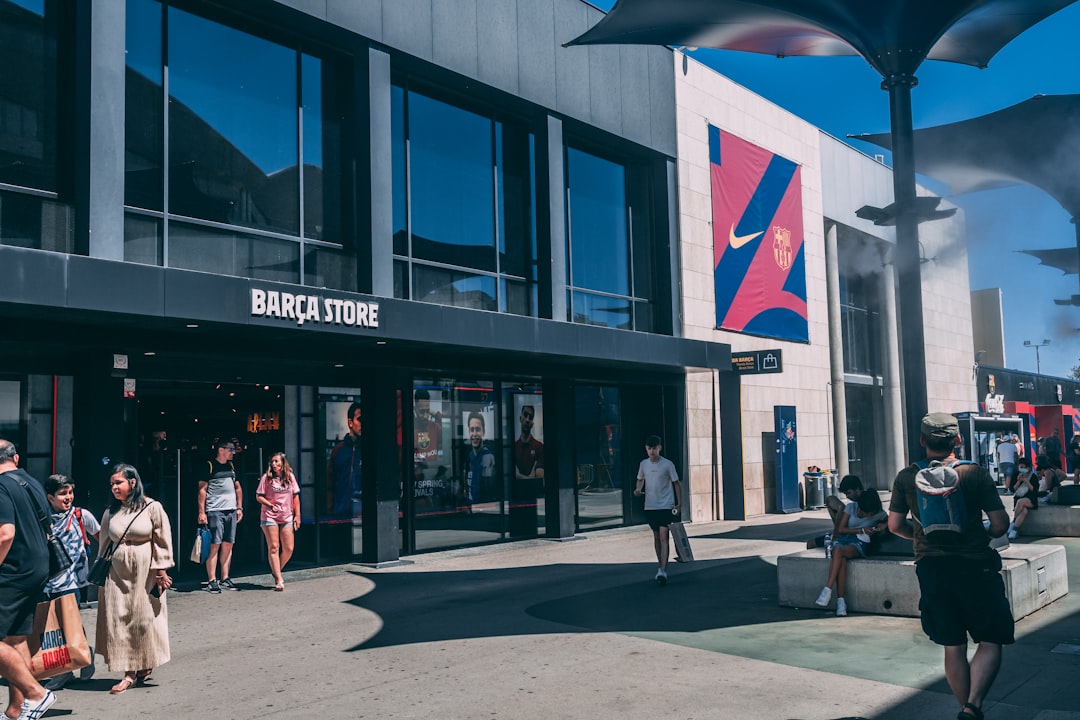
Are you ready to delve into the world of one of the most iconic and beloved football clubs in history? Look no further than FC Barcelona, a team that has captivated the hearts of millions of fans worldwide with its unique style of play, rich history, and commitment to developing young talent. As we embark on this journey through the history, culture, and success of FC Barcelona, you’ll discover what makes this club so special and why it continues to be a dominant force in the world of football.
A Brief History of FC Barcelona
FC Barcelona, also known as Barça, was founded in 1899 by a group of Swiss, British, and Spanish footballers. The club’s early years were marked by struggle and financial instability, but it wasn’t long before Barça began to establish itself as a force to be reckoned with in Spanish football. The club’s first major success came in 1929, when it won the inaugural La Liga title, and from there, the team went on to experience periods of significant growth and success. One of the most notable periods in the club’s history was the 1970s and 1980s, when Barça was led by the legendary coach Johan Cruyff, who implemented a unique style of play that emphasized possession, attacking flair, and the development of young players from the club’s famous La Masia academy.
Today, FC Barcelona is one of the most successful and valuable football clubs in the world, with a brand worth over $4.5 billion and a massive following of over 300 million fans globally. The club has won numerous domestic and international titles, including 26 La Liga championships, 30 Copa del Rey trophies, and 5 UEFA Champions League titles. But Barça’s success goes beyond just its on-field accomplishments; the club is also known for its commitment to social responsibility, community engagement, and the development of young players through its renowned La Masia academy.
The Culture of FC Barcelona
FC Barcelona is more than just a football club; it’s a cultural institution that represents the values and identity of the city of Barcelona and the region of Catalonia. The club’s motto, “Més que un club” (More than a club), reflects its commitment to being a symbol of Catalan culture and a source of pride for the local community. Barça’s unique style of play, which emphasizes possession, attacking flair, and technical skill, is a reflection of the club’s cultural heritage and its commitment to developing young players from the local region.
The club’s famous La Masia academy is a key part of its cultural identity, and has produced some of the greatest players in the history of the game, including Lionel Messi, Xavi Hernández, and Andrés Iniesta. La Masia is more than just a football academy; it’s a symbol of the club’s commitment to developing young players and promoting the values of hard work, discipline, and respect. The academy’s emphasis on technical skill, tactical awareness, and physical conditioning has produced a generation of players who are not only technically gifted but also intelligent, adaptable, and passionate about the game.
The Success of FC Barcelona
So, what makes FC Barcelona so successful? The answer lies in a combination of factors, including the club’s unique culture, its commitment to developing young players, and its ability to attract and retain top talent from around the world. Barça’s success on the pitch is a reflection of its success off the pitch, where the club has established a strong brand, a loyal fan base, and a robust business model that generates significant revenue from sponsorships, merchandise, and broadcasting rights.
One of the key factors behind Barça’s success is its ability to develop young players from its La Masia academy. The club’s emphasis on technical skill, tactical awareness, and physical conditioning has produced a generation of players who are not only technically gifted but also intelligent, adaptable, and passionate about the game. Players like Lionel Messi, Xavi Hernández, and Andrés Iniesta have all come through the La Masia system and have gone on to become some of the greatest players in the history of the game.
The Future of FC Barcelona
As FC Barcelona looks to the future, the club is faced with a number of challenges and opportunities. One of the biggest challenges facing the club is the need to adapt to a changing football landscape, where the likes of Manchester City, Paris Saint-Germain, and Bayern Munich are all vying for dominance. Barça must also navigate the complexities of the transfer market, where the cost of top talent is increasing exponentially and the competition for signatures is fierce.
Despite these challenges, FC Barcelona remains one of the most successful and valuable football clubs in the world, with a strong brand, a loyal fan base, and a robust business model that generates significant revenue from sponsorships, merchandise, and broadcasting rights. The club’s commitment to developing young players from its La Masia academy and its emphasis on technical skill, tactical awareness, and physical conditioning will continue to be key factors in its success, both on and off the pitch.
Conclusion
In conclusion, FC Barcelona is a football club like no other, with a rich history, a unique culture, and a commitment to developing young players that is unmatched in the world of football. From its humble beginnings in 1899 to its current status as one of the most successful and valuable football clubs in the world, Barça has always been a club that is more than just a team; it’s a symbol of Catalan culture, a source of pride for the local community, and a beacon of hope for millions of fans around the world. Whether you’re a die-hard Barça fan or just a casual observer of the beautiful game, there’s no denying the impact that FC Barcelona has had on the world of football, and its legacy will continue to be felt for generations to come.
Key takeaways:
- FC Barcelona is a football club with a rich history and a unique culture that emphasizes technical skill, tactical awareness, and physical conditioning.
- The club’s La Masia academy is a key part of its cultural identity and has produced some of the greatest players in the history of the game.
- Barça’s success on the pitch is a reflection of its success off the pitch, where the club has established a strong brand, a loyal fan base, and a robust business model that generates significant revenue from sponsorships, merchandise, and broadcasting rights.
- The club’s commitment to developing young players and promoting the values of hard work, discipline, and respect will continue to be key factors in its success, both on and off the pitch.
- As the football landscape continues to evolve, FC Barcelona must adapt to the changing times, while remaining true to its core values and principles.
Leave a Comment