
As the beautiful game continues to captivate audiences worldwide, few clubs have managed to leave an indelible mark on the sport like FC Barcelona. With a legacy spanning over a century, Barça has become synonymous with exceptional football, passion, and a unique cultural identity. In this comprehensive guide, we’ll delve into the fascinating world of FC Barcelona, exploring its storied history, triumphs, and the secrets behind its enduring success.
The Birth of a Legend: FC Barcelona’s Early Years
Founded in 1899 by a group of Swiss, British, and Spanish footballers, FC Barcelona was initially known as Foot-Ball Club Barcelona. The club’s early years were marked by modest success, with its first major trophy coming in 1910 when Barça won the Copa del Rey. However, it wasn’t until the 1920s that the club started to gain prominence, with the appointment of legendary coach Jack Greenwell and the emergence of star player Paulino Alcántara. This period laid the foundation for the club’s future success, with Barça winning its first La Liga title in 1929.
The 1950s and 1960s are often referred to as the “Golden Age” of FC Barcelona, with the club winning numerous domestic and international titles, including the Latin Cup and the Fairs Cup. This era saw the rise of iconic players like Ladislao Kubala, Luis Suárez, and Johan Cruyff, who would later become a pivotal figure in shaping the club’s philosophy and playing style. The influence of these footballing legends can still be seen in the club’s modern approach to the game, with an emphasis on possession-based football, technical skill, and tactical innovation.
The Dream Team and the Modern Era: FC Barcelona’s Rise to Global Prominence
The 1990s marked a significant turning point in FC Barcelona’s history, with the appointment of Johan Cruyff as the club’s manager. Cruyff’s revolutionary approach to the game, which emphasized possession football, pressing, and tactical flexibility, laid the foundation for the club’s future success. The “Dream Team” of the 1990s, featuring players like Romário, Hristo Stoichkov, and Ronald Koeman, won numerous titles, including four consecutive La Liga championships and the European Cup.
In the modern era, FC Barcelona has continued to dominate the football landscape, with the club winning numerous La Liga and Champions League titles. The appointment of Pep Guardiola as manager in 2008 marked a new era of success, with the club winning 14 trophies in just four years. The likes of Lionel Messi, Xavi Hernández, and Andres Iniesta have become synonymous with the club’s success, with their exceptional skill, vision, and work rate inspiring a generation of football fans. The club’s commitment to developing young players through its renowned La Masia academy has also been a key factor in its success, with many graduates going on to become world-class players.
The Cultural Significance of FC Barcelona: More Than Just a Football Club
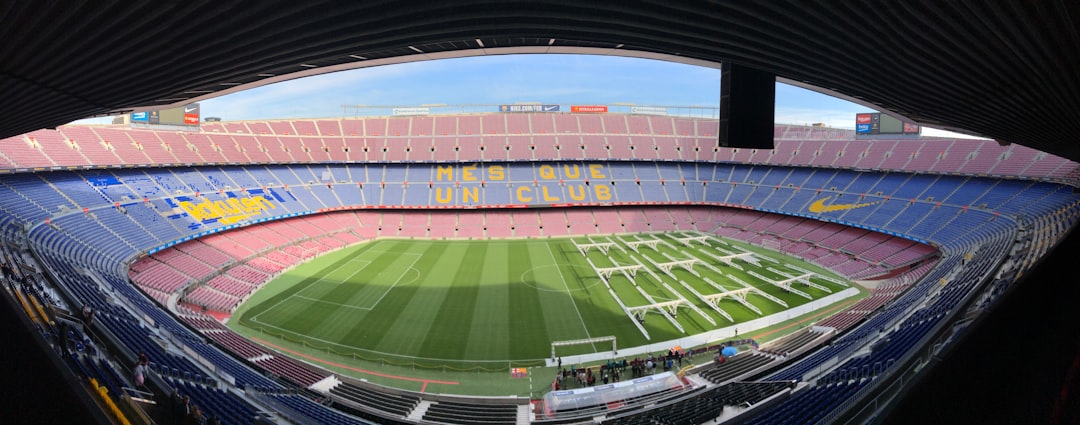
FC Barcelona is more than just a football club; it’s a cultural institution that embodies the values and passions of the Catalan people. The club’s motto, “Més que un club” (More than a club), reflects its commitment to social responsibility, community engagement, and cultural heritage. From its early days, Barça has been a symbol of Catalan identity and resistance, with the club playing a significant role in promoting the region’s language, culture, and traditions.
The club’s stadium, the Camp Nou, is a testament to its rich history and cultural significance, with a seating capacity of over 99,000 making it one of the largest stadiums in the world. The electric atmosphere on match days is an experience like no other, with the passionate fans creating a cauldron of noise and color that intimidates opposing teams. The club’s commitment to social responsibility is also evident in its charitable initiatives, with the FC Barcelona Foundation working to promote education, health, and social inclusion in disadvantaged communities around the world.
The Future of FC Barcelona: Challenges, Opportunities, and Expectations
As FC Barcelona looks to the future, the club faces several challenges and opportunities that will shape its success in the years to come. The club’s financial situation, while stable, requires careful management to ensure sustainability and competitiveness in the transfer market. The club’s playing style, which has been a hallmark of its success, will also need to evolve to stay ahead of the competition, with the incorporation of new technologies, tactics, and player profiles.
The club’s commitment to developing young players through La Masia will remain a key factor in its success, with the academy continuing to produce talented players who can make an immediate impact in the first team. The club’s social responsibility initiatives will also continue to play a vital role in promoting the club’s values and cultural heritage, with the FC Barcelona Foundation working to make a positive impact in communities around the world. As the football landscape continues to evolve, FC Barcelona will need to adapt and innovate to stay ahead of the curve, while remaining true to its core values and principles.
In conclusion, FC Barcelona is a club like no other, with a rich history, cultural significance, and commitment to social responsibility that sets it apart from other football clubs. From its early days to the present, Barça has been a symbol of excellence, passion, and community, with a legacy that will continue to inspire generations of football fans. Whether you’re a die-hard fan or just a casual observer, FC Barcelona’s story is one that will captivate and inspire, with its unique blend of football, culture, and passion making it a truly unforgettable experience. Key takeaways from this comprehensive guide include:
- FC Barcelona’s rich history and cultural significance make it a unique and fascinating club
- The club’s commitment to social responsibility and community engagement is a key factor in its success
- The club’s playing style, which emphasizes possession football and technical skill, has been a hallmark of its success
- The club’s La Masia academy is a key factor in its success, with many graduates going on to become world-class players
- The club’s future success will depend on its ability to adapt and innovate, while remaining true to its core values and principles.
Leave a Comment